AirSeal Cardiovascular Inc. is a medical diagnostics company focused on transforming how physicians and hospital systems diagnose peripheral artery disease (PAD) and other atherosclerotic cardiovascular conditions.
PADGuard™
First blood test for Peripheral Artery Disease (PAD)
Innovative Biomarker
Accurately detects Atherosclerotic CardioVascular Disease in both men and women
Patented Technology
A platform that could improve the lives of millions globally
AirSeal’s Technology is helping protect lives globally
PAD often go unnoticed until it’s too late
Latest News And Update
AirSeal Cardiovascular is a medical diagnostics company focused on transforming how physicians and hospital systems diagnose peripheral artery disease (PAD) and other atherosclerotic cardiovascular conditions.
Our co-founder, Dr. Zayed, was recently interviewed by KMOX Radio discussing our innovative PADGuard blood test. During the interview, Dr. Zayed explained how this breakthrough technology will transform the diagnosis and care of patients with Peripheral Arterial Disease by enabling earlier detection and more personalized treatment plans.
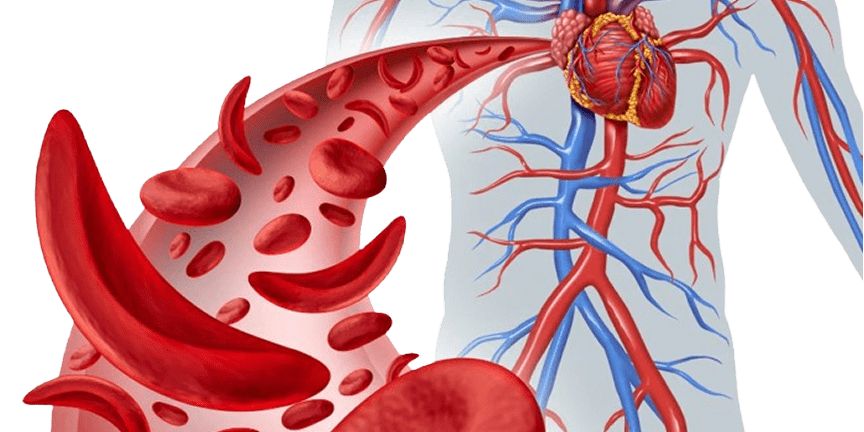
Peripheral Artery Disease (PAD) is the NO.1 trigger for limb amputation in the US. It often gets undetected until it’s too late. Outdated diagnostic methods miss early signs—especially in women—putting millions at greater risk.
The NO.1 Trigger of Limb Disability and the Need for Better Diagnosis
Peripheral Artery Disease (PAD) affects over 230 million people globally. In the U.S., it affects over 12 million people and causes over $30 billion healthcare burden annually. Despite its impact, diagnosis still relies on Ankle-brachial Index (ABI) tests with only ~70% accuracy, often missing early disease—especially in women.
Proven Clinical Validation
We recently validated the diagnostic accuracy of our technology through three independent clinical trials involving over 500 men and women.